How To Winterize Plumbing for the Cold Season
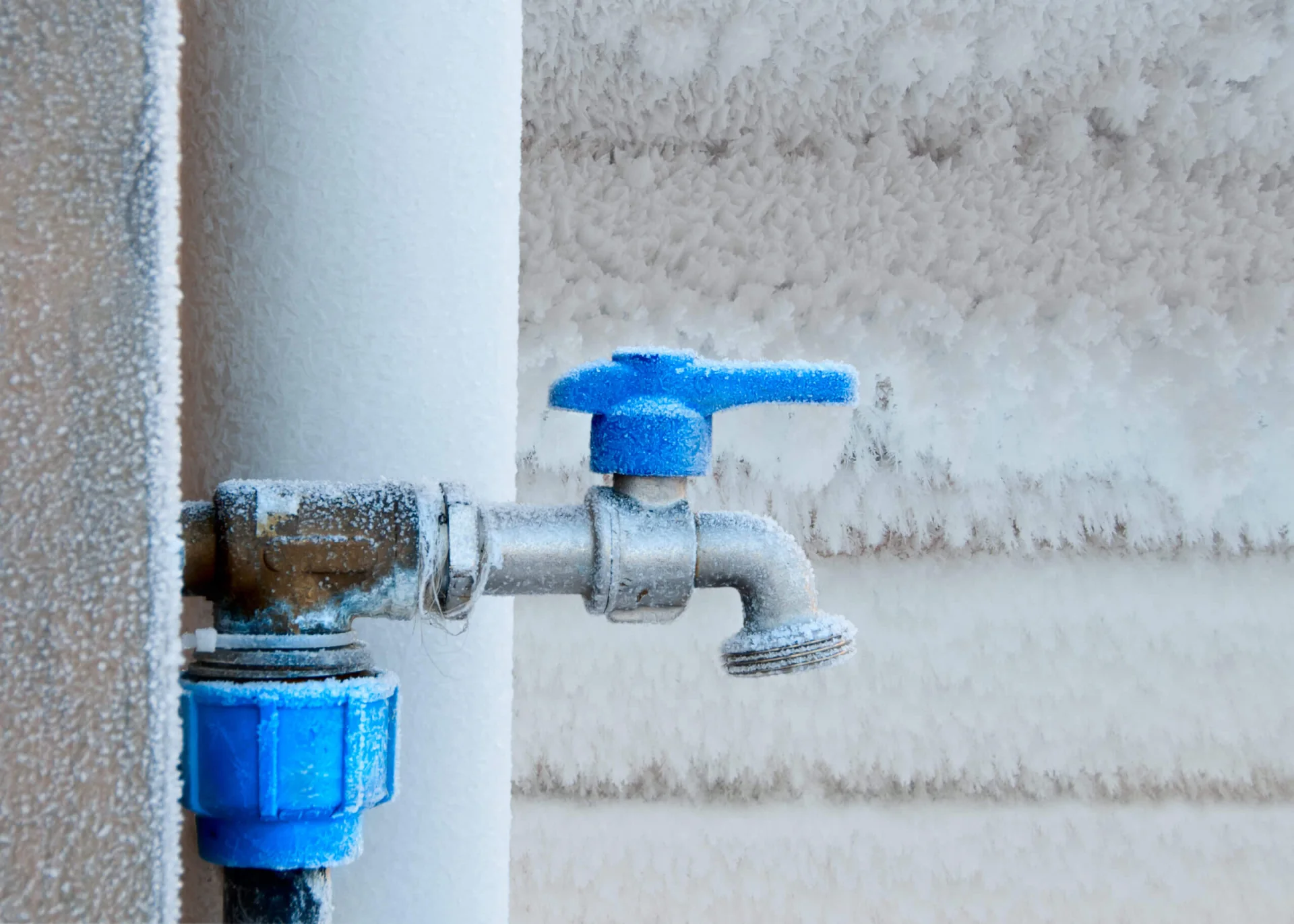
When you winterize plumbing, you protect pipes, valves, and fixtures from costly freeze damage. Use this simple plan to prepare Los Angeles and Orange County homes for cool nights or mountain trips where temperatures dip.
Winterize Plumbing: Priority Checklist
- Open cabinets on cold nights and keep indoor temps steady.
- Insulate exposed runs and outdoor hose bibs; add covers as needed.
- Know main and fixture shutoffs so you can act quickly.
Protect Pipes Indoors & Out
Seal drafts around sill plates and hose bib penetrations. Disconnect and drain garden hoses. For seldom‑used areas, consider heat cable with built‑in thermostat to safeguard lines.
Water Heaters & Fixtures in Cold Months
Flush sediment, test relief valves carefully, and replace brittle supply lines. Aerator cleaning improves flow after long holiday visits when usage spikes.
If a Freeze or Burst Happens
Shut water off, open nearby faucets, and warm lines gradually. After repairs, retest pressure and monitor for slow leaks to complete your winterize plumbing effort.
Book a pro visit with Plumbing Squad in Los Angeles or OC.
Key Takeaways
- Learn the core steps to winterize your plumbing before the cold season so you can prevent frozen and burst pipes.
- Use safe, proven methods first; avoid shortcuts that create bigger problems.
- Prevent issues with routine maintenance and timely upgrades.
- Know when to call a professional to save time, money, and stress.
Smart, Efficient Upgrades
- Water‑efficient fixtures and leak‑detection shutoff valves.
- Pressure regulation to protect pipes and appliances.
- Filtration and conditioning for better water quality.
Routine Maintenance
Annual inspections catch small problems early—corroded supply lines, slow drains, and aging shutoffs. Document your system (valve locations, model numbers) for faster service.
FAQs
Do I really need to winterize plumbing in Southern California?
For most coastal LA and OC homes a hard freeze is rare, but inland valleys, high‑desert areas, and mountain cabins near Big Bear or Wrightwood do drop below 32°F. The lines most at risk are the ones outside conditioned space: hose bibs, irrigation backflow assemblies, exposed garage and attic runs, and pipes in unheated second homes. Insulating those few spots is cheap protection against a burst that floods a wall.
How do I keep my pipes from freezing during a cold snap?
Disconnect and drain garden hoses, then cover hose bibs with foam faucet socks. Wrap exposed pipe in foam sleeves or, for the coldest runs, thermostat‑controlled heat tape. On nights below freezing, open cabinet doors under sinks on exterior walls and let a pencil‑thin trickle run from the farthest faucet so moving water resists freezing. Keep the thermostat at a steady temperature day and night.
What should I do if a pipe freezes or bursts?
If a faucet only trickles, the line is likely frozen — shut off the main, open the affected faucet, and warm the pipe gradually with a hair dryer or towels (never an open flame). If a pipe has already burst, shut the main immediately, open faucets to drain the system, and move belongings clear of the water. Leaks near outlets or panels are an emergency; cut the power at the breaker if it’s safe and call a plumber.
How much does it cost to winterize a home’s plumbing?
Doing the basics yourself — faucet covers, foam pipe sleeves, and a few hose bib socks — usually runs $30–$100 in materials. A professional winterization visit, including heat‑tape installation, blowing out irrigation lines, and a full inspection, typically runs $150–$400 depending on the size of the home. Plumbing Squad (CSLB #1081283) can handle it before the first cold snap — call (866) 324-9553 to book.
Need a Reliable Plumber?
Plumbing Squad handles inspections, repairs, and emergency service with transparent pricing and clean workmanship. Call today or book service to get expert help fast.
