How to Turn Off Your Water Main
Water main shut‑off basics every homeowner should know
If you need to turn off your water main, act quickly and calmly. In the first minute, locate the main shut‑off and stop the flow to protect finishes and floors. The steps below work for homes across Los Angeles and Orange County, from single‑family houses to townhomes.
How to find and turn off the water main
Locate the valve
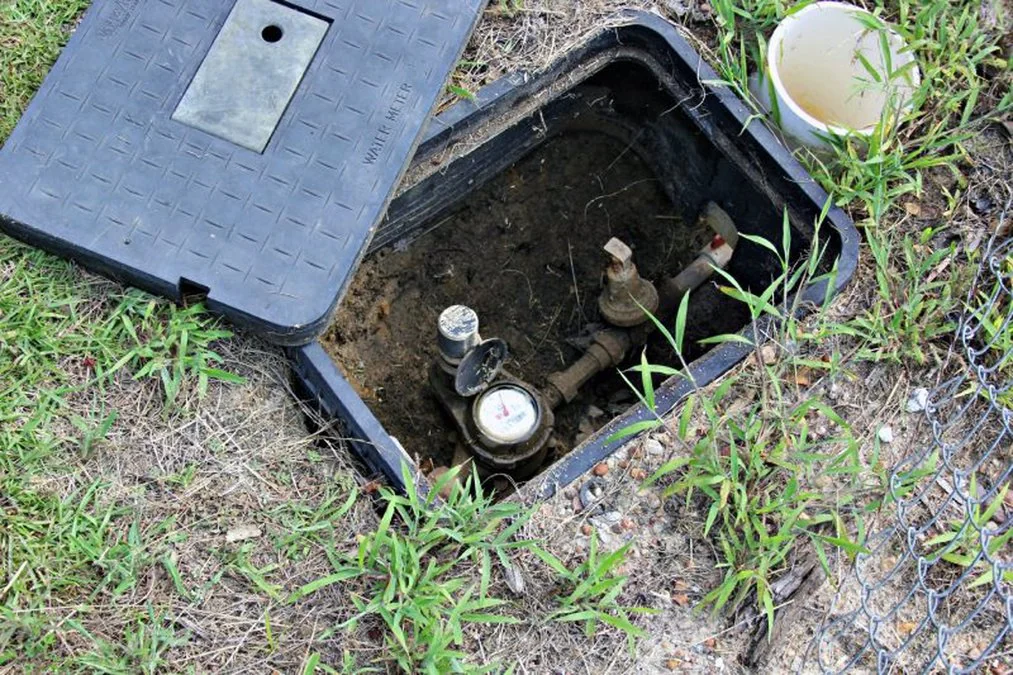
Look for a ball or gate valve near the water meter, in the garage, laundry, or along an exterior wall. In some multi‑unit buildings, the valve may be in a shared utility room—label yours once you find it.
Close the valve
- For a gate valve, turn the handle clockwise until it stops.
- For a ball valve, rotate the lever a quarter‑turn clockwise so it sits perpendicular to the pipe.
Drain fixtures to relieve pressure
After shutting the main, open a tub or laundry sink on the lowest level to drain remaining water. Keep hot taps closed if the water heater is off to avoid drawing air into the lines.
When to call a pro for the water main
- Valve won’t move: Forcing an old stem can snap it. A pro can replace a stuck or corroded valve safely.
- Recurring leaks: If you shut the main often, ask for a pressure check and inspection for failing supply lines.
- Unclear ownership: Unsure which curb stop is yours? A licensed plumber can verify and label the correct valve.
Prevention and simple maintenance
- Tag the main shut‑off and key fixture stops; show household members how to use them.
- Add a pressure‑reducing valve (PRV) where required and keep static pressure near 50–70 psi.
- Insulate exposed lines and replace brittle supply hoses to toilets, washing machines, and faucets.
Safety notes
Turn power off to a leaking water heater before operating the valve nearby. If you suspect contaminated or muddy water, flush outdoor hose bibbs first, then indoor fixtures.
Wrap‑up: Knowing where the shut‑off is, how it operates, and how to drain lines protects your home from sudden leaks. Need a hand in LA or Orange County? Contact Plumbing Squad.
Key Takeaways
- Know exactly where your main shut‑off valve is and how to close it before an emergency strikes.
- Use safe, proven methods first; avoid shortcuts that create bigger problems.
- Prevent issues with routine maintenance and timely upgrades.
- Know when to call a professional to save time, money, and stress.
Early Warning Signs
- Water stains, bubbling paint, or musty odors.
- Unexpectedly high water bills or meter movement when fixtures are off.
- Reduced pressure in one area or across the home.
Emergency Steps
- Shut off the main water valve.
- Turn off power to affected areas if water is near outlets or appliances.
- Open faucets to drain remaining water and relieve pressure.
- Document damage for insurance and call a licensed plumber.
Repair & Prevention
Depending on pipe material and access, solutions include spot repairs, rerouting, or whole‑home repiping. Insulate exposed lines, maintain stable indoor temps, and install leak detection with automatic shutoff.
FAQs
Where is the main water shut‑off valve usually located in a California home?
In most Los Angeles and Orange County homes, the main shut‑off is on the home’s side, where the supply line enters—often in the garage, a laundry area, or on an exterior wall near a hose bibb. There’s also a street‑side valve at the curb meter box, but that one is the utility’s and usually needs a meter key. Use your interior valve for everyday shut‑offs and tag it so the whole household can find it fast.
What’s the difference between a gate valve and a ball valve, and how do I turn each one off?
A ball valve has a straight lever handle: rotate it a quarter‑turn so it sits perpendicular to the pipe and the water stops. A gate valve has a round, wheel‑style handle: turn it clockwise several full rotations until it seats firmly. Ball valves are faster and more reliable, which is why newer homes use them. If you only have an old gate valve, turn it gently—the brass stems get brittle with age.
My shut‑off valve is stuck or leaks when I turn it—what should I do?
Stop forcing it; an old gate‑valve stem can snap off inside the body and leave you with no way to close the water at all. If it weeps from the packing nut, a quarter‑turn snug on that nut sometimes seals it, but a valve that won’t move or won’t fully close needs replacing. A corroded main valve swap is a same‑day job for a licensed plumber—call Plumbing Squad (CSLB #1081283) at (866) 324‑9553 and we can verify which valve is yours and install a modern ball valve.
How much does it cost to replace a main water shut‑off valve?
In the LA/OC area, replacing a main shut‑off valve typically runs about $150 to $400 for a straightforward indoor or accessible valve, including parts and labor. The price climbs to roughly $500–$900 if the line must be cut and re‑soldered, the valve sits in a tight crawlspace, or the city has to shut the meter first. Always get a written estimate after an on‑site look, since pipe material and access drive the final number.
Need a Reliable Plumber?
Plumbing Squad handles inspections, repairs, and emergency service with transparent pricing and clean workmanship. Call today or book service to get expert help fast.
