The Role of Plumbers in Building Code Compliance
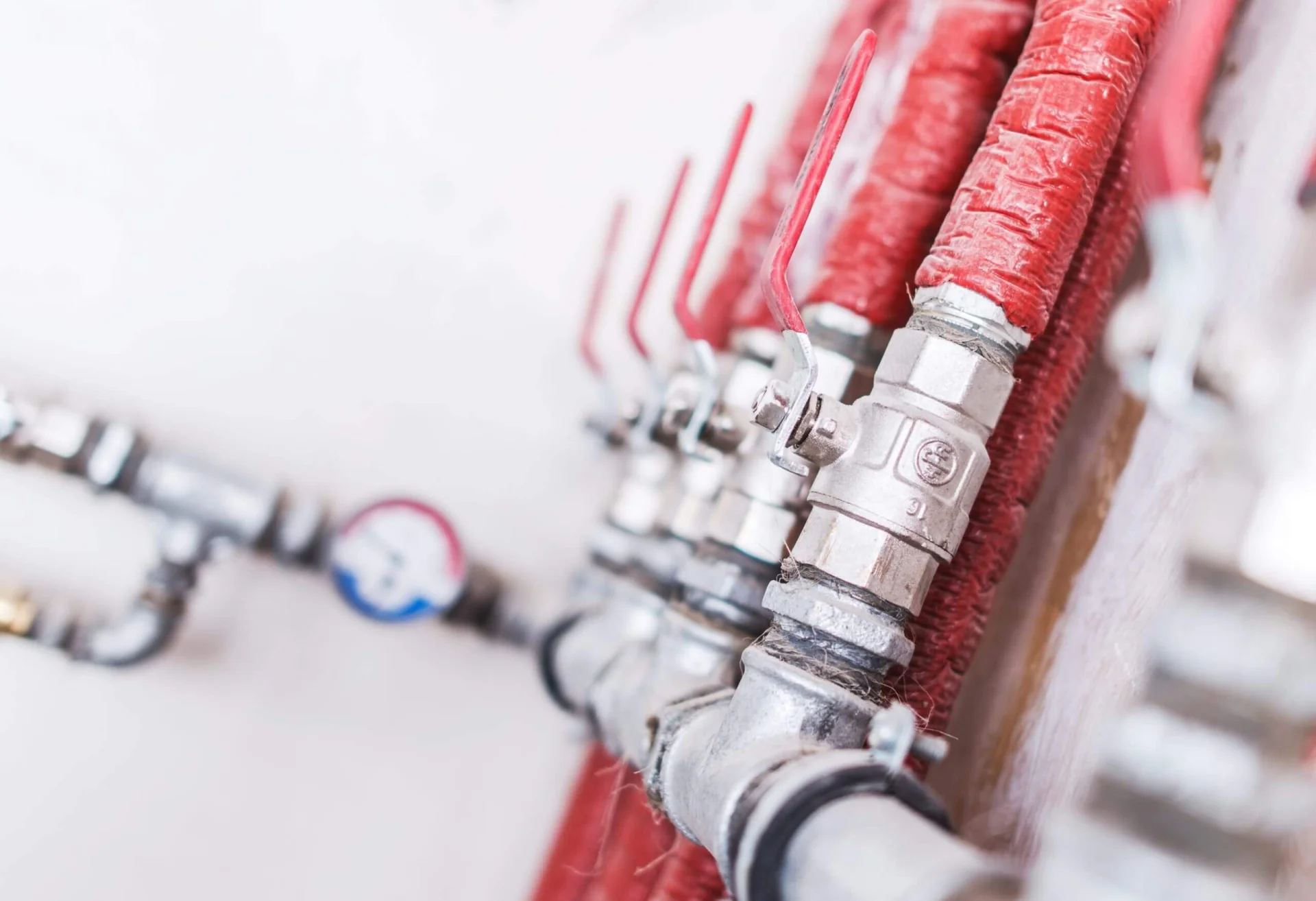
From new bath installs to service line repairs, building code compliance keeps plumbing work safe, documented, and ready for inspection. In Los Angeles and Orange County, licensed pros coordinate permits, match approved materials, and stage work so projects pass cleanly.
Building Code Compliance: What Plumbers Actually Do
- Plan to code: Size vents and drains properly, protect piping, and specify approved fittings.
- Pull permits when required: The right paperwork supports warranty coverage and future resale.
- Schedule inspections: Inspectors verify that building code compliance is met before walls close.
Why Code Compliance Matters for Homeowners
Proper routing and backflow protection help safeguard drinking water. Clear documentation avoids re‑work during future remodels and gives buyers confidence that systems were built correctly.
DIY vs. Professional on Code‑Sensitive Work
Painting a vanity is one thing; relocating drains or gas lines is another. A licensed plumber understands local amendments and manufacturer requirements so building code compliance isn’t left to chance.
Your local pros are here—Plumbing Squad, Los Angeles & OC.
Key Takeaways
- Understand how licensed plumbers keep work code‑compliant—proper permits, approved materials, and signed‑off inspections—so your project passes the first time.
- Use safe, proven methods first; avoid shortcuts that create bigger problems.
- Prevent issues with routine maintenance and timely upgrades.
- Know when to call a professional to save time, money, and stress.
Smart, Efficient Upgrades
- Water‑efficient fixtures and leak‑detection shutoff valves.
- Pressure regulation to protect pipes and appliances.
- Filtration and conditioning for better water quality.
Routine Maintenance
Annual inspections catch small problems early—corroded supply lines, slow drains, and aging shutoffs. Document your system (valve locations, model numbers) for faster service.
FAQs
Do I really need a permit for plumbing work in Los Angeles or Orange County?
Usually yes. Most cities here require permits for water heater swaps, repiping, drain or gas line relocation, sewer work, and new fixtures on new lines. Simple like‑for‑like faucet or trap swaps often don’t. Skipping a required permit can stall a future home sale, void appliance warranties, and force you to open finished walls so an inspector can verify the work after the fact.
What plumbing codes apply to my home in California?
California uses the California Plumbing Code (based on the Uniform Plumbing Code), updated on a three‑year cycle, plus local amendments your city or county adds on top. These dictate pipe materials, vent and drain sizing, slope, backflow prevention, and seismic strapping for water heaters. A licensed plumber tracks the current edition and the local tweaks so your project meets both the state baseline and your jurisdiction’s specific rules.
What happens during a plumbing inspection, and when is it scheduled?
Inspections happen in stages. A rough‑in inspection comes before walls close, checking pipe routing, sizing, supports, and a pressure test on supply and drain lines. A final inspection follows once fixtures are set and water is on, confirming proper venting, traps, and backflow protection. The inspector either signs off or issues a correction list you must fix before re‑inspection and final sign‑off.
How do I confirm a plumber is licensed to do code‑compliant work?
Ask for their CSLB license number and verify it free at cslb.ca.gov—check that it’s active, bonded, and insured. A licensed contractor pulls permits in their own name and stands behind the work. Plumbing Squad is licensed (CSLB #1081283) and handles permitting and inspections start to finish; call (866) 324-9553 if you want a code‑sensitive job done right the first time.
Need a Reliable Plumber?
Plumbing Squad handles inspections, repairs, and emergency service with transparent pricing and clean workmanship. Call today or book service to get expert help fast.
